
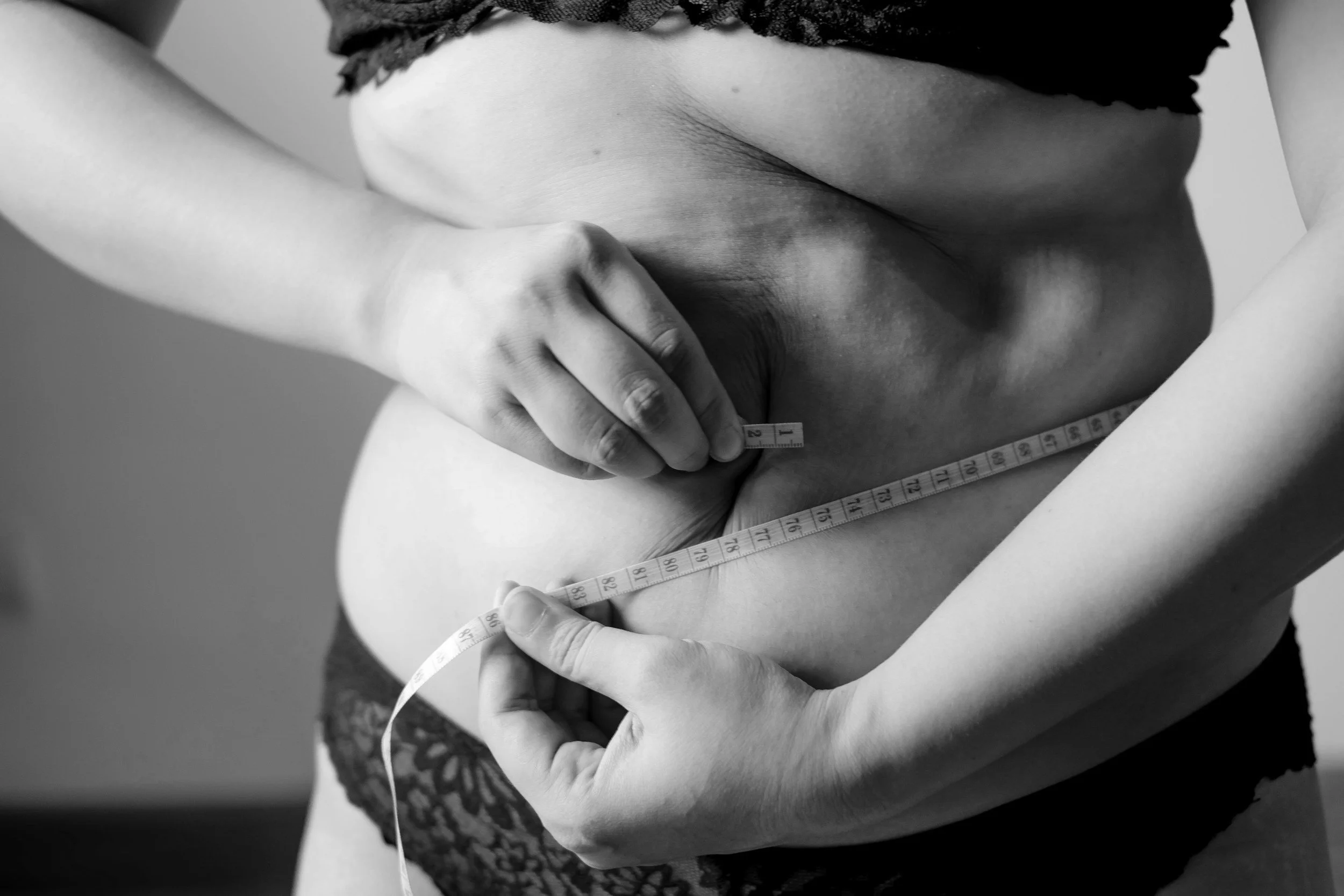
For many people, stubborn pockets of fat don't shift no matter how well they eat or how often they exercise. A little fullness under the chin, a soft lower abdomen after pregnancy, or changes in the arms and thighs during menopause can be frustrating, and surgery is not always the answer people want. Laser lipolysis has become one of the most requested minimally invasive alternatives, because it targets localised fat without the downtime and risks of surgery. Here is an honest look at how it works, who it suits, and what you can realistically expect.
What Laser Lipolysis Actually Does
Laser lipolysis, as used in treatments such as LipoLas, delivers precise laser energy through fine micro-optical fibres placed in the treatment area under local anaesthetic. The energy works in three ways at once:
It disrupts and reduces fat cells in the targeted area. The body then processes and clears these cells naturally over the following weeks.
It heats the deeper layers of the skin, causing the tissue to contract and tighten while the fat is being reduced.
It stimulates collagen production, which improves skin texture and firmness over time rather than simply removing volume.
This combination is what sets it apart from older non-invasive fat-reduction methods, such as some freezing or radiofrequency-based devices, which mainly address volume and do little for skin laxity. If you are concerned about both fat and skin quality, that difference matters.
How Does It Differ From Surgical Liposuction?
Traditional liposuction removes fat physically through suction, usually under general anaesthetic, and comes with a longer recovery and higher associated risks. Laser lipolysis is minimally invasive and performed under local anaesthetic, with a much shorter recovery. The trade-off is scale: it is designed for smaller, targeted volumes of fat rather than the large-volume removal that surgical liposuction can achieve.
| Laser lipolysis | Surgical liposuction | |
|---|---|---|
| Anaesthetic | Local | Usually general |
| Downtime | Typically a day or two | Often one to several weeks |
| Best for | Small, localised areas | Larger volumes of fat |
| Skin tightening | Yes, as part of the treatment | Not a primary effect |
| Invasiveness | Minimally invasive | Surgical |
Who Is a Good Candidate?
Laser lipolysis is best suited to people with localised, stubborn fat deposits, commonly around the face, neck, abdomen, arms or thighs, rather than those looking for significant overall weight loss.
It can work particularly well for changes linked to ageing, pregnancy, menopause or weight fluctuations, where skin elasticity has been affected alongside fat distribution. In these cases a treatment that addresses both fat and skin quality is often a better fit than fat reduction alone.
You are most likely to be a good candidate if you:
Are close to your target weight
Have specific, resistant areas you would like to contour
Have mild to moderate skin laxity in the area
Want a shorter recovery than surgery involves
Have realistic expectations about the results
Some people may not be suitable, for example during pregnancy or breastfeeding, or where certain medical conditions or medications are involved. This is always assessed properly at consultation.
What It Isn't
It is important to set realistic expectations. Laser lipolysis is not a weight-loss treatment, and it is not a substitute for surgical liposuction when larger volumes of fat are involved. It is best understood as a contouring and skin-tightening treatment for smaller, targeted areas, and it is most effective for people who are already near their goal weight and want to address specific pockets of fat.
What to Expect at Vividah: The Process
Consultation. Your areas of concern, skin quality, medical history and goals are assessed, and the likely outcome is discussed openly, including whether this is the right treatment for you.
Treatment. The area is numbed with local anaesthetic, and the laser is delivered through fine fibres. You stay awake and comfortable, and treatment time depends on the area.
Aftercare. You will be given clear instructions on caring for the treated area. A compression garment is sometimes recommended for a period to support healing and skin tightening.
Review. Progress is checked as results develop, so you know how things are going and whether anything further is needed.
What Results Look Like
Results build gradually rather than appearing all at once. Because the treatment works partly by stimulating collagen, skin tightening typically improves over several weeks and can continue to improve for some time afterwards. Fat cell clearance is gradual too, as the body's lymphatic system processes the disrupted cells. For this reason, final results are usually assessed several weeks to a few months after treatment.
Individual results vary depending on the area treated, your skin quality, your age and your lifestyle, which is why a personalised assessment matters.
Recovery
One of the main attractions is the minimal downtime compared with surgery. Most people return to normal activities within a day or two. Mild swelling, bruising or tenderness in the treated area is common during the early recovery and settles over time. As mentioned, compression garments may be advised to support the tightening process.
Frequently Asked Questions
Is laser lipolysis painful? The procedure is performed under local anaesthetic, so discomfort during treatment is generally minimal. Some soreness, similar to a muscle ache, is common for a few days afterwards.
How many sessions are needed? This depends on the treatment area and your goals. Some areas respond well to a single session, while others benefit from a short course. This is discussed at your consultation.
Will the fat come back? Fat cells that are removed do not return. However, the remaining fat cells in your body can still expand with significant weight gain, so maintaining a stable weight helps preserve your results long term.
Is it suitable for loose skin without much fat? It can help with mild to moderate skin laxity thanks to its tightening effect. Significant loose skin, such as after major weight loss, may be better addressed with other treatments, and this is worth discussing directly at your assessment.
Can it be combined with other treatments? In some cases, yes. Your practitioner can advise on whether combining treatments would give you a better overall result.
Is Laser Lipolysis Right for You? The best way to find out is a consultation that looks at your specific areas of concern, your skin quality and your goals, and sets out realistic expected outcomes before you decide to go ahead. You can also explore our other aesthetic treatments to see what else may suit you.
This article is for general educational purposes and does not replace individualised medical advice. Please consult a qualified healthcare professional about your own circumstances before undergoing any treatment.