
Polycystic Ovary Syndrome
PCOS – Key Facts

PCOS – Overview
Polycystic Ovary Syndrome (PCOS) is a common hormonal and metabolic condition affecting women during their reproductive years and beyond.
It is caused by hormonal imbalance, including elevated androgen levels, leading to symptoms such as:
Irregular or absent periods
Ovulatory dysfunction and infertility
Excess facial or body hair or hair thinning
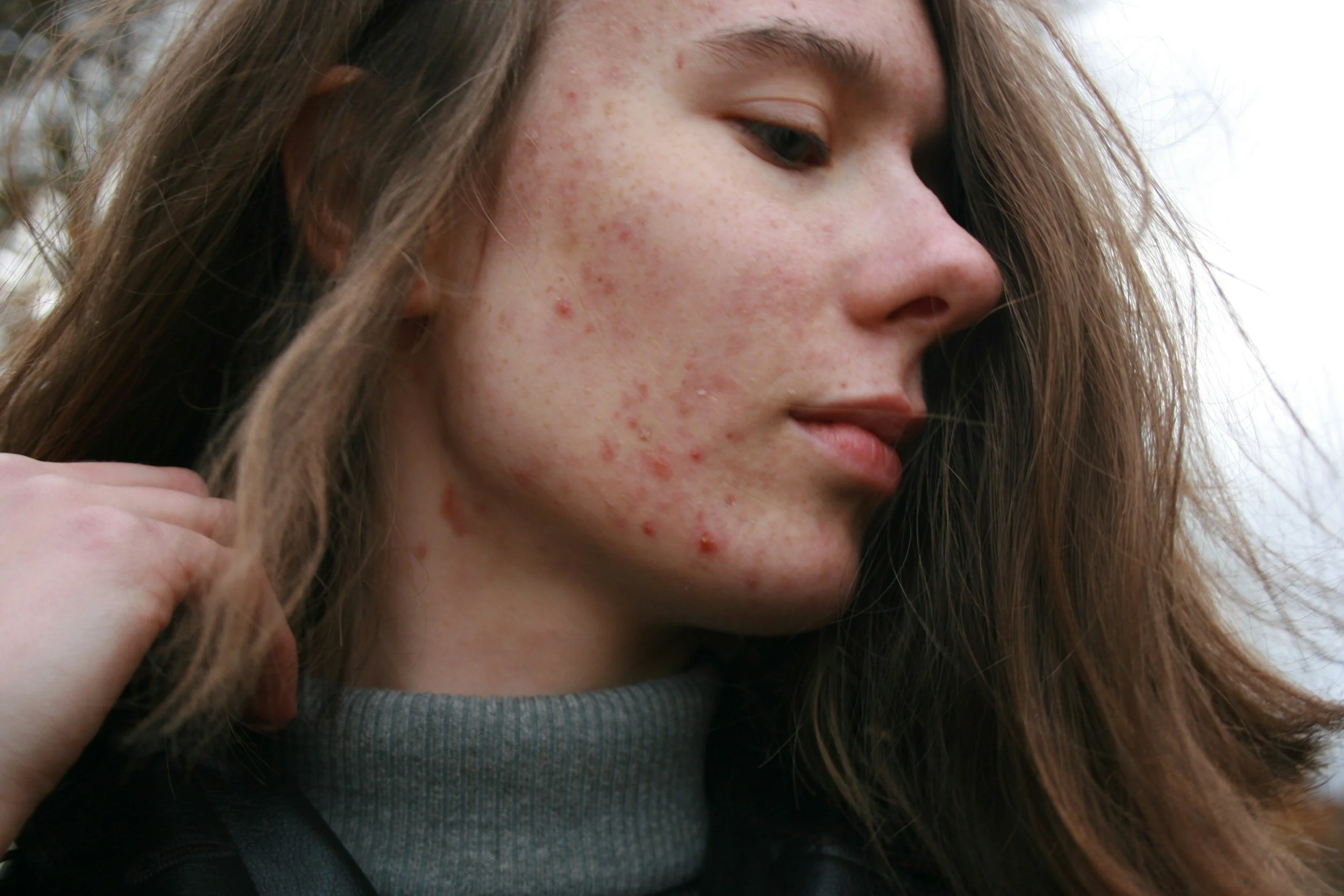
Acne and oily skin
Polycystic ovaries
PCOS is a leading cause of irregular menstruation and infertility. Infrequent periods may also increase the risk of endometrial hyperplasia and, in some cases, endometrial cancer.
It often begins in adolescence but is commonly diagnosed later, particularly when fertility issues arise. PCOS is also associated with long-term metabolic risks, including insulin resistance, type 2 diabetes, and obesity.
While there is no cure, lifestyle measures, medical treatment, and fertility support can effectively manage symptoms, improve fertility, and protect long-term health.
PCOS – Key Facts
Polycystic Ovary Syndrome (PCOS) is a common hormonal condition characterised by elevated androgen levels, leading to irregular periods, anovulation, infertility, acne, and excess hair growth.
It affects approximately 10–13% of women of reproductive age, with up to 70% remaining undiagnosed.
PCOS is the most common cause of anovulation and a leading contributor to infertility.
It often runs in families and presents variably between individuals.
PCOS is a chronic metabolic condition, associated with increased risks of insulin resistance, type 2 diabetes, obesity, and long-term health complications.
Welcome to a space designed for ideas that move people. With a focus on quality, clarity, and connection, we're here to help you make an impact that lasts.

Symptoms of PCOS vary between individuals and may change over time.
Common symptoms include:
Irregular, infrequent, or absent periods
Heavy, prolonged, or painful periods
Difficulty conceiving or infertility
Excess facial or body hair (hirsutism)
Hair thinning or female-pattern hair loss
Acne and oily skin

PCOS can also significantly affect quality of life, with increased rates of anxiety, depression, disordered eating, and body image concerns. Social stigma around symptoms such as infertility, weight changes, and excess hair growth may further impact emotional wellbeing, relationships, and daily functioning.

Long-term health risks may include:
Gestational diabetes or hypertension in pregnancy
Weight gain, particularly abdominal
Type 2 diabetes
High blood pressure and cholesterol
Cardiovascular disease
Obesity
Sleep apnoea
Metabolic liver disease (steatohepatitis)
Endometrial hyperplasia or, rarely, endometrial cancer

PCOS – Symptoms

Importantly, not all individuals with PCOS have polycystic ovaries, and ovarian cysts alone are not required for diagnosis.
Blood tests may be used to assess hormone levels, confirm androgen excess, and evaluate ovulation patterns, particularly in those without obvious clinical symptoms.
Diagnosis also takes into account family history, as well as life stage, since irregular cycles may be normal in adolescence or approaching menopause.
Following diagnosis, further blood tests are often recommended to assess insulin resistance and cardiovascular risk.
PCOS is diagnosed when at least two of the following three criteria are present, after other possible causes have been excluded:
Clinical or biochemical signs of excess androgens (e.g. increased facial/body hair, acne, hair thinning, or raised testosterone levels)
Irregular or absent menstrual periods
Polycystic appearance of the ovaries on ultrasound

PCOS – Diagnosis

Hormonal treatments, such as the combined oral contraceptive pill, can help regulate menstrual cycles and improve symptoms like acne and excess hair growth. Anti-androgen medications may also be used in selected cases. Treatment should always be individualised through shared decision-making.
For those experiencing infertility, options may include lifestyle optimisation, medications to induce ovulation, or surgical treatments. Assisted reproductive technologies such as IVF may also be considered when appropriate.

While many individuals with PCOS can achieve pregnancy, there may be an increased risk of complications, and closer monitoring during pregnancy is often recommended.
There is currently no cure for PCOS, but treatment can effectively improve symptoms, support fertility, reduce the risk of endometrial complications, and lower long-term cardiovascular risk.
A healthy lifestyle, including balanced nutrition and regular physical activity, is recommended for all individuals with PCOS, even in the absence of weight loss, as it can improve metabolic and hormonal health.