

Chronic Pelvic Pains
Overview
Chronic pelvic pain refers to persistent pain in the lower abdomen or pelvic area lasting for more than six months. It is a symptom rather than a diagnosis and may be constant or intermittent.
This condition is common, affecting approximately 1 in 6 women, and can have a significant impact on quality of life, daily activities, and overall wellbeing.
Overall, chronic pelvic pain is a multifactorial condition requiring a holistic, patient-centred approach addressing physical, neurological, and psychological components.

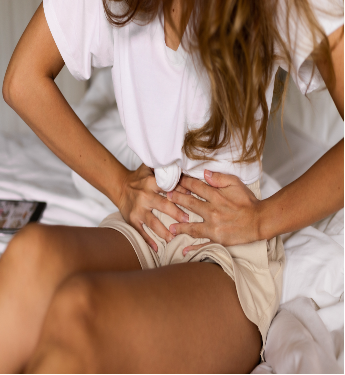
Why Chronic Pelvic Pain Matters
Chronic pelvic pain (CPP) is a common yet often overlooked condition that can significantly affect a woman’s quality of life. It is usually defined as persistent or recurrent pelvic pain lasting for more than 3–6 months. The pain may be constant or intermittent and can interfere with daily activities, work, relationships, sleep, emotional wellbeing, and sexual function.
CPP is not simply a “gynaecological problem” — it is a complex condition that may involve multiple body systems, including reproductive, urinary, gastrointestinal, musculoskeletal, and neurological systems. Many women suffer silently for years before receiving an accurate diagnosis and effective treatment.

Severity and Impact
The severity of chronic pelvic pain varies widely between women. For some, it causes mild but persistent discomfort; for others, it can be debilitating and life-changing.
Women with chronic pelvic pain may experience:
Severe menstrual pain
Pain during intercourse
Persistent lower abdominal or back pain
Bladder or bowel discomfort
Fatigue and sleep disturbance
Anxiety, depression, and emotional distress
Reduced fertility and relationship difficulties
The condition can have a major physical, psychological, social, and sexual impact, often comparable to other chronic illnesses.
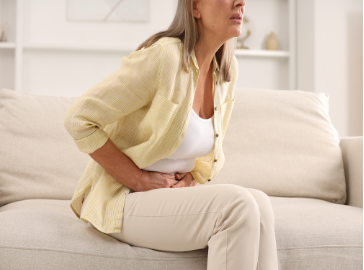
Common Causes of Female Chronic Pelvic Pain
CPP may result from one condition or a combination of several causes.
Gynaecological Causes
Endometriosis
Adenomyosis
Pelvic inflammatory disease (PID)
Ovarian cysts
Fibroids
Pelvic adhesions or scar tissue
Vulvodynia
Urinary Causes
Interstitial cystitis / painful bladder syndrome
Recurrent urinary tract infections
Gastrointestinal Causes
Irritable bowel syndrome (IBS)
Inflammatory bowel disease
Chronic constipation
Musculoskeletal and Nerve Causes
Pelvic floor muscle dysfunction
Myofascial pain
Nerve entrapment or neuropathic pain
Lower back or spinal disorders
Psychological and Emotional Factors
Stress, anxiety, depression, and previous physical or emotional trauma can contribute to the development or worsening of chronic pelvic pain.

Importance of Early Diagnosis
A thorough medical assessment is important to exclude serious conditions and guide appropriate, personalised management.
Early recognition and proper assessment are essential. Because CPP often has multiple contributing factors, management usually requires a multidisciplinary approach involving gynaecology, physiotherapy, pain management, psychology, and lifestyle support.
Effective treatment can greatly improve pain control, quality of life, sexual health, emotional wellbeing, and overall daily functioning.

What to Expect at Your Consultation
During your appointment, you will have the opportunity to discuss your symptoms in detail and share any concerns in a supportive, confidential setting.
A clear understanding of your pain is essential for accurate diagnosis. Your specialist may ask about:
The pattern and duration of your pain
Factors that improve or worsen symptoms
Previous treatments or medications
Associated symptoms (e.g. menstrual, bladder, bowel, or emotional concerns)
You may be advised to keep a pain diary to help identify patterns and triggers.
A holistic assessment may also include discussion of your general wellbeing, including sleep, appetite, and emotional health, as chronic pain can impact multiple aspects of life.
If appropriate, further evaluation may include:
Abdominal examination
Pelvic (vaginal) examination
Pelvic ultrasound scan.
Our approach is patient-centred and collaborative—ensuring you feel heard, understood, and supported while we work together to identify the cause of your symptoms and develop a personalised treatment plan.

Treatment Options
Treatment depends on the underlying cause of your pelvic pain and is tailored to your individual needs.
Targeted treatment:
IBS – dietary changes and medication
Infections – usually treated with antibiotics
Hormonal-related pain – treatments such as the pill, injections, or the Mirena coil
Surgical options:
May be considered in selected cases, particularly for severe endometriosis or significant adhesions.
Pain management:
All patients should be offered appropriate pain relief. Referral to a specialist pain clinic may be advised if symptoms persist.
Supportive approaches:
Lifestyle changes, complementary therapies, and psychological support can help improve overall wellbeing.
A clear diagnosis, reassurance, and a personalised management plan often help patients cope more effectively and improve quality of life.