
Polynucleotides
Injectable polynucleotides are derived from purified DNA fragments and work by stimulating the skin’s natural repair processes. They promote tissue regeneration while encouraging the production of collagen and elastin—essential proteins responsible for maintaining skin firmness, elasticity, and structure.
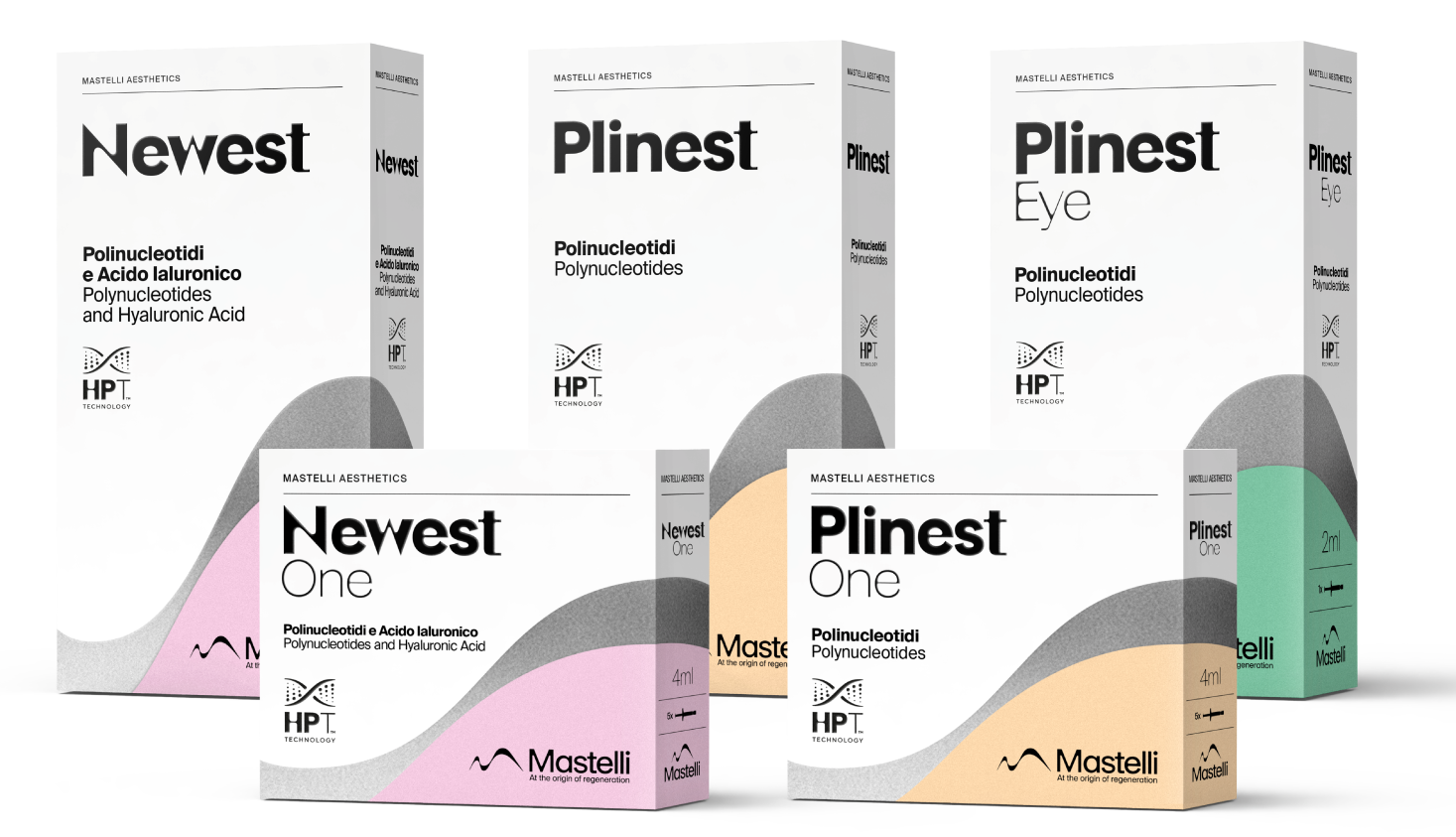
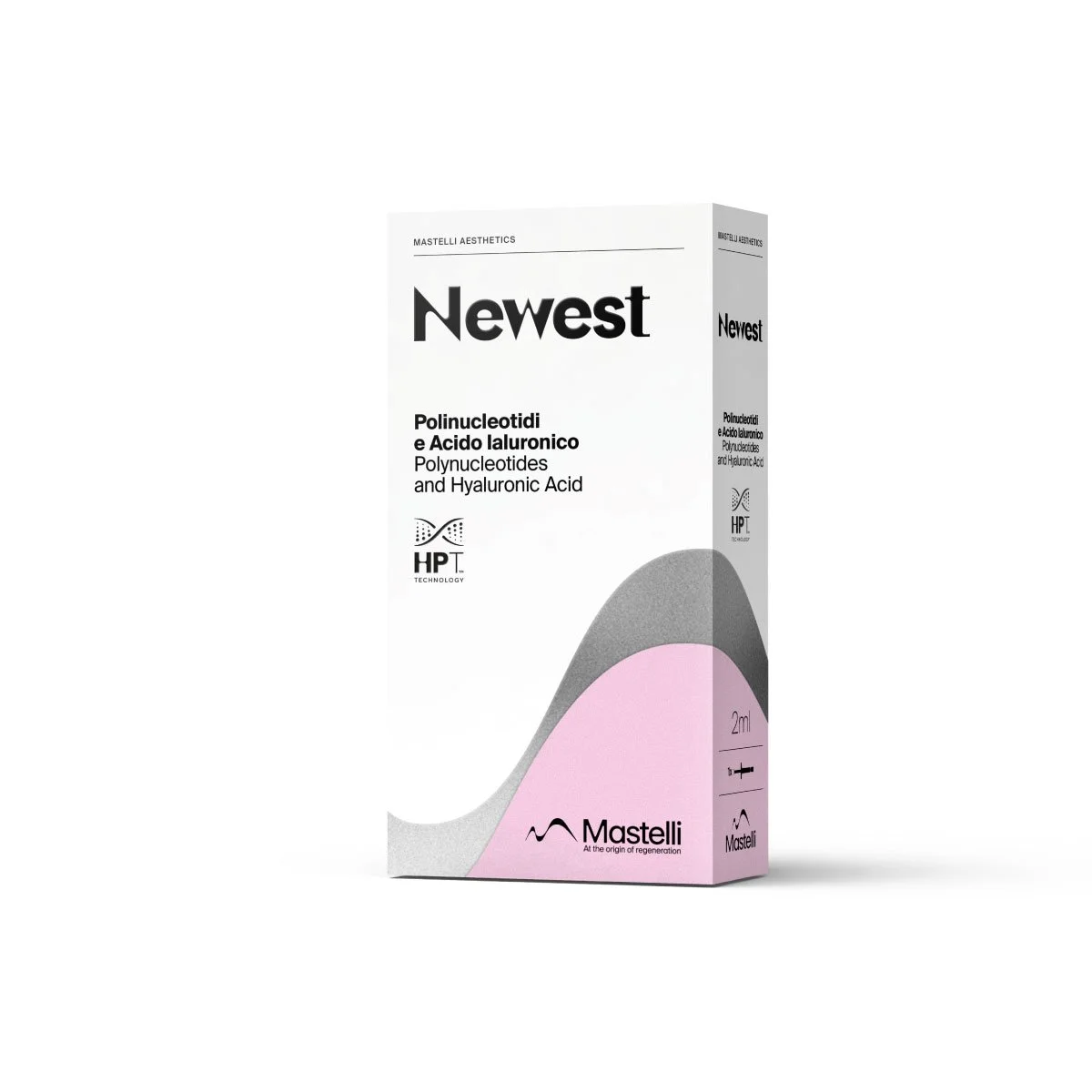
What Are Polynucleotides?
Injectable polynucleotides are derived from purified DNA fragments and work by stimulating the skin’s natural repair processes. They promote tissue regeneration while encouraging the production of collagen and elastin—essential proteins responsible for maintaining skin firmness, elasticity, and structural integrity.
The formulation also includes hyaluronic acid, which provides deep hydration and improves skin suppleness, working synergistically with polynucleotides to enhance overall skin quality.
Unlike traditional treatments that focus primarily on surface hydration, polynucleotides act at a deeper level within the skin to restore structure, strength, and resilience, supporting long-term skin health and regeneration.
How Polynucleotides Work
Polynucleotides work at a cellular level by activating fibroblast cells, which are responsible for collagen and elastin production. This process helps to:
Stimulate skin repair and regeneration
Improve hydration and skin quality
Enhance elasticity and firmness
Strengthen the skin barrier
The result is healthier, more resilient skin that continues to improve over time.
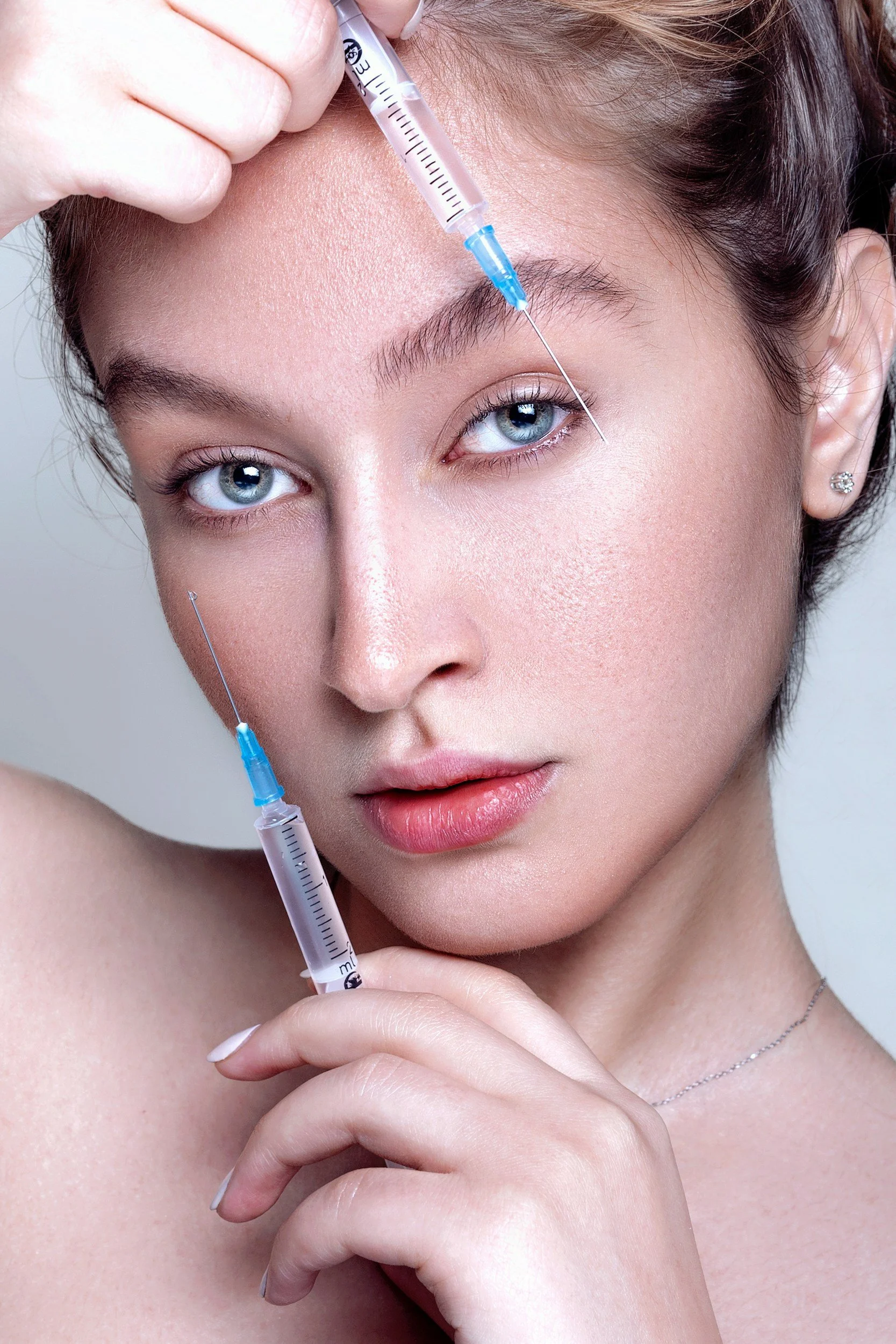

Benefits of Polynucleotides
Improves skin texture and tone
Reduces fine lines and early signs of ageing
Enhances hydration at a deeper level
Strengthens and repairs damaged skin
Promotes natural, gradual rejuvenation
Suitable for sensitive and delicate areas
What Makes Polynucleotides Different?
Unlike traditional skin boosters that provide temporary plumping, polynucleotides offer true regenerative benefits. By working at a cellular level, they deliver progressive, long-term improvements rather than short-lived results.
This makes them an ideal option for those seeking natural enhancement without adding volume.

Treatment Areas
Polynucleotide treatments can be used on:
Face
Neck
Décolletage
Hands
Under-eye area (dark circles, fine lines, crepey skin)
They can also be used in a variety of areas, including scars, areas of skin laxity, and the underarm region, making them a versatile option for targeted skin rejuvenation.
They are particularly effective in delicate areas where subtle, regenerative improvement is preferred over volume enhancement.

Treatment Protocol
Procedure Time: 20–30 minutes
Course: Typically 2–3 sessions
Interval: 3–4 weeks between sessions
Maintenance: Every 6–9 months, depending on individual needs
Results develop gradually, with continued improvement over time as the skin regenerates.